Blog

Garmin GPSMAP 64s Review

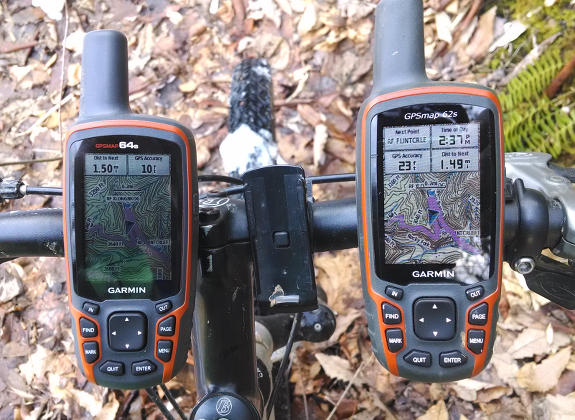
Practicing with the Garmin 64s When the Garmin GPSMAP64 was announced this winter, I was very excited. The older 62-s was my go-to handheld, and I was eager to see new features like GLONASS, smart notifications and pre-loaded geocaches. So let’s take a closer look at them… Related Links Garmin GPSMAP 64s Resources How much does it cost? GLONASS The 64-s does not only offer GPS, but also supports the Russian GLONASS constellation. GLONASS has a reputation for being helpful in northern latitudes and in environments like canyons, so I was curious how well it would perform if not…

Read More
Blog

How to Make Your Own GPS Tracks Using Google Earth

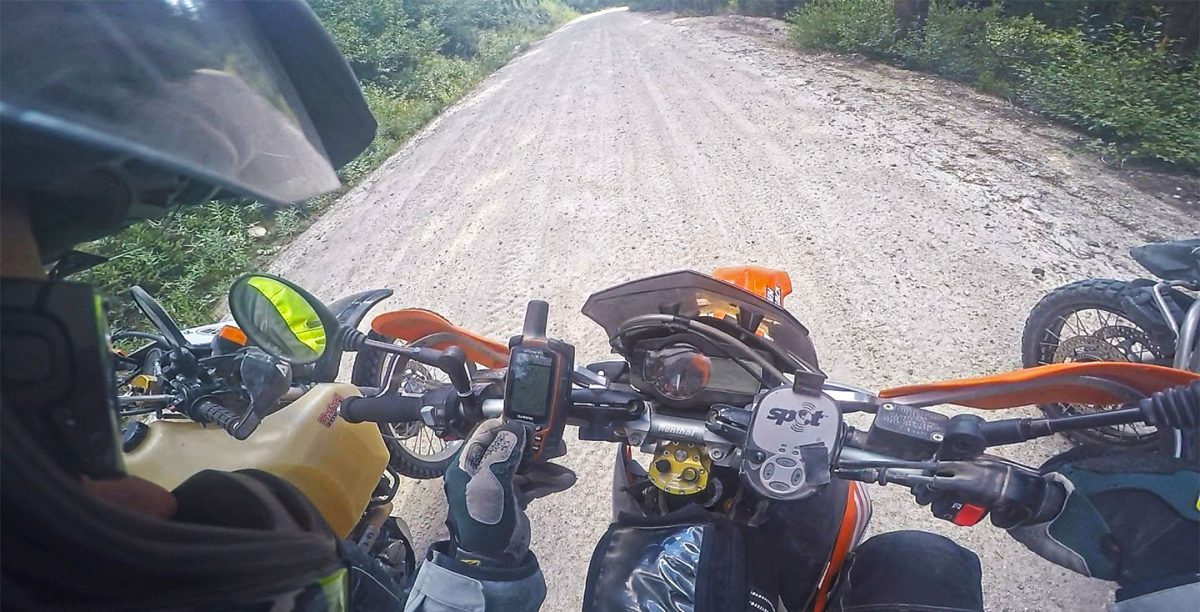
Do you want to start taking longer adventure trips and exploring new areas? How about hiking a special trail or a difficult-to-find mountain? Maybe you want to find a cabin in the middle of the desert that you saw while playing around on Google Earth? A GPS track will give you the guidance you need so you don’t get lost. I used a Garmin 62 to navigate in and out of trails. Since then Garmin updated the 62 to the Garmin 64s. I have it mounted on the handlebars of my KTM 690 motorcycle using a RAM mount. Yes, there are apps for phones…

Read More
Blog

Camera Traps For Conservation

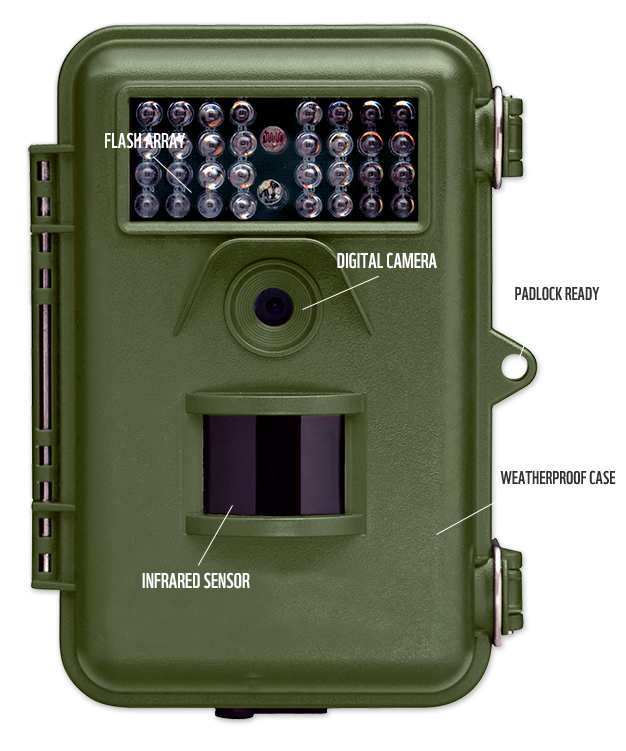
100 YEARS OF HISTORY Over the past decade, millions of people worldwide have become aware of camera traps. The candid images and videos produced by camera traps have been featured in countless documentaries, widely shared on social media, and have become the focus of highly popular citizen science projects. Less known is the fact that camera traps have a long history that extends back more than 100 years. During this time, they have evolved from experimental technology used by a select few to commercial technology used by thousands of photographers, hobbyists, hunters and...

Read More
Blog

A simple method to estimate the detection distance of camera traps

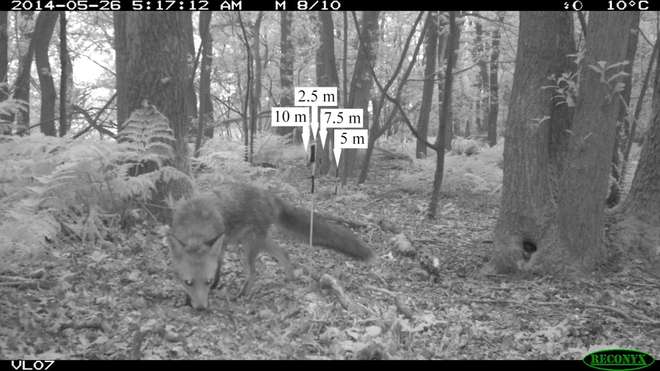
by ZSL December 2, 2016 Camera traps are a very useful tool for estimating animal abundance for wildlife management and conservation. Following on from our previous blog posts, we continue to explore camera trap methods. Here, Tim Hofmeester presents a recent paper on estimating the effective detection distance of camera traps, published in our open access journal Remote Sensing in Ecology and Conservation. Increasingly, researchers and conservationists are using camera traps triggered by passive infrared sensors (PIR) to study wildlife populations. However, there is a common problem that PIR sensors do not detect all...

Read More